

Understanding Forex Trading: Definition, Mechanisms, and Strategies
Forex trading, short for foreign exchange trading, involves the buying and selling of currencies on a global scale. It is one of the largest and most liquid financial markets in the world, where trillions of dollars are traded daily. To get started in this dynamic market, traders often seek the forex trading definition Best Platforms for Trading that meet their needs and offer reliable services. But before diving into platforms, it’s crucial to understand the nature of forex trading itself.
What is Forex Trading?
At its core, forex trading is the act of exchanging one currency for another. This can be influenced by the ability to speculate on the value of currencies against one another, looking to profit from varying exchange rates. The forex market operates 24 hours a day, five days a week, providing ample opportunities for traders around the world. The primary goal for traders is to anticipate future movements in exchange rates and execute trades accordingly.
How Forex Trading Works
Forex trading works on the basis of currency pairs, where one currency is quoted against another. For example, in the EUR/USD currency pair, the Euro is the base currency, and the US dollar is the quote currency. If you believe that the Euro will strengthen against the US Dollar, you would buy EUR/USD. Conversely, if you think that the Euro will weaken, you would sell the pair.
The Mechanics of Forex Transactions
Transactions in the forex market occur through a network of banks, brokers, and financial institutions which facilitate the buying and selling of currencies. These transactions can be performed electronically, providing traders with the flexibility and speed necessary to capitalize on market fluctuations.
Leverage in Forex Trading
Another important concept in forex trading is leverage. Leverage allows traders to control larger positions with a smaller amount of capital. This can magnify both profits and losses, making it a double-edged sword. While it enhances potential gains, it also increases the risks involved. New traders must approach leverage cautiously, understanding the impact it can have on their trading results.

Key Forex Trading Strategies
Developing effective trading strategies is vital for success in the forex market. Here are some key strategies commonly employed by forex traders:
1. Day Trading
Day trading involves making multiple trades within a single day, aiming to capitalize on short-term market movements. Day traders typically close all their positions before the end of the trading day to avoid overnight risks.
2. Swing Trading
Swing trading entails holding positions for several days or weeks to benefit from expected price moves. Swing traders often rely on technical analysis to identify potential turning points in the market.
3. Scalping
Scalping is a high-speed strategy where traders make numerous small trades to earn modest profits from minor price changes. Scalpers strive to capture small movements in currency prices and often operate with very tight stop-loss orders.
4. Position Trading
Position trading is a long-term strategy where traders hold positions for extended periods, from weeks to years, based on fundamental analysis. This approach is less affected by short-term market fluctuations.
Risk Management in Forex Trading
Effective risk management is crucial to sustainable forex trading. Here are several key practices:
Set Stop-Loss Orders
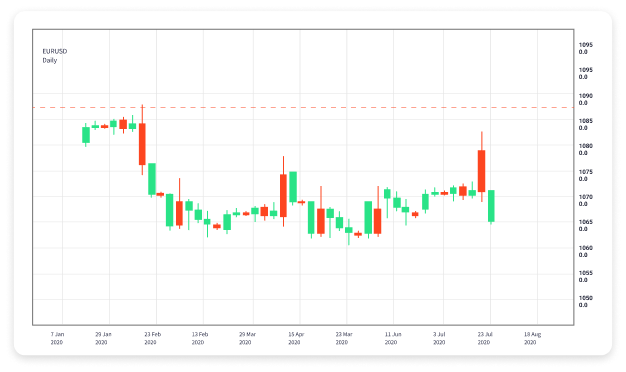
Implementing stop-loss orders allows traders to limit potential losses by automatically closing a trade at a predetermined price level.
Diversify Your Portfolio
Traders should diversify their investments across different currency pairs to mitigate risks. This helps in avoiding overexposure to a single currency and potentially enhances returns.
Manage Leverage
While leverage can amplify profits, it can also lead to significant losses. Traders need to use leverage judiciously and only based on their risk tolerance.
The Role of Economic Indicators in Forex Trading
Economic indicators such as interest rates, inflation rates, and employment data play a significant role in currency valuations. Traders must keep abreast of these indicators, as they provide insights into a country’s economic health and can influence currency prices:
Interest Rates
Changes in interest rates can attract or deter investment in a country’s currency. Higher interest rates tend to attract foreign capital, leading to an appreciation of the currency.
Inflation Rates
Low inflation rates typically correlate with a rising currency value, while high inflation can lead to depreciation. Inflation affects purchasing power and economic stability.
Employment Data
Employment figures, such as Non-Farm Payrolls (NFP) in the U.S., can indicate the strength of an economy, thus affecting currency values.
Conclusion
Forex trading is a complex and dynamic field that requires a solid understanding of market mechanics, strategies, and risk management. By leveraging proven strategies and remaining aware of economic indicators, traders can increase their chances of success in the forex market. As the market continues to evolve, staying informed and adaptable will be key to achieving trading goals.
